Tools We Use

A comprehensive though not complete list of tools we use and why to help guide the new home inspector in the buying process.

You may currently have an item or a version of an item on the list. You also don't have to have everything below in order to complete a successful home inspection. Most importantly is you do want back ups of several of the items below. I once completed a home inspection where all the outlets of a 2000+ home were ungrounded, only to figure out that the outlet tester had gone bad. Luckily, I had a back up.

A common misstep along the way is to over purchase or brand purchase. You don't have to have the Cadillac of certain tools. Buy the tool for your needs. Remember, you are not there to be the electrician, plumber, or HVAC tech. You are there to find defects, not diagnose how to remedy them. Invest in tools that meet your needs and buy two, verse a tool that has a ton of bells and whistles you'll never use.


Tools and equipment

HomeGauge software

Software – HomeGauge

Reporting
We use HomeGauge due to its versatility and more importantly how the report is displayed to the buyer. There are other software options out there, some which are more useful to the inspector — but we put the buyers before ourselves.
Laptop computer

Computer

Reporting
Any computer will do. HomeGauge requires a PC or a Mac running Parallels. We use a PC dedicated to inspections with no personal use — this prevents malware, memory cramming, and off-duty mishaps. Plus, the computer just lasts longer. We ensure the computer has the appropriate ports for our needs, is sized appropriately, and has a large touchscreen monitor for presentation during walkthroughs.

Currently using — Lenovo IdeaPad Slim 3x (15″ Snapdragon) Laptop

Camera

Camera

Documentation
We use an Olympus TG-870 Tough camera. I've dropped this camera off a roof and it still keeps going. There are newer models which are designed in such a way that doesn't allow me to stick the camera in small areas or doesn't have the screen that moves, etc. This is one of those Goldilocks cameras that has and does everything we need without being too big and bulky. As far as using a phone to take pictures — I may entertain using an old small smartphone in the future but DO NOT recommend using a current phone, business or personal. If the phone breaks, falls down a dryer vent, gets lost in an attic buried under insulation, left in a tight crawlspace, or just fritzes out, that is your line of communication, your internet hotspot, the lifeline of business coming in. Keep your phone safe and out of your hands during an inspection. If you use an old phone, be sure you can walk away from that inspection without it anymore. On that note — have a backup camera. Two cameras are cheaper than one phone. Tablets are too big and cumbersome to get the really good photos.

Thermal Camera

Diagnostics
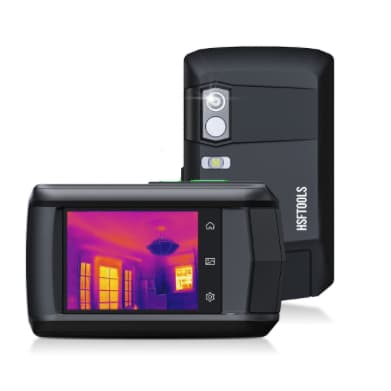
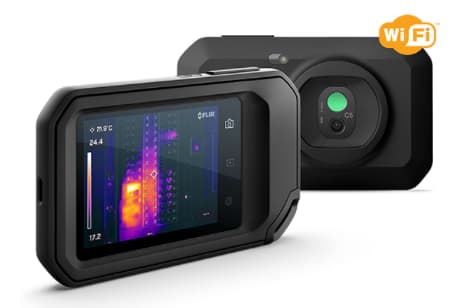
For those just getting into the business, don't look at a thermal camera as an additional source of revenue. Look at a thermal camera as just a tool in your tool belt. It is far too valuable a tool to leave in your bag because they didn't pay for a "thermal inspection". Buy one and use it on every home. You will catch far more items that you would have never been able to see or know about unless you did. A thermal camera is not a money maker, it is a life/money saver. Currently using two models — no preference for one over the other (except price): FLIR C5 and HSFTOOLS P2W.
Ladder

Ladders

Safety
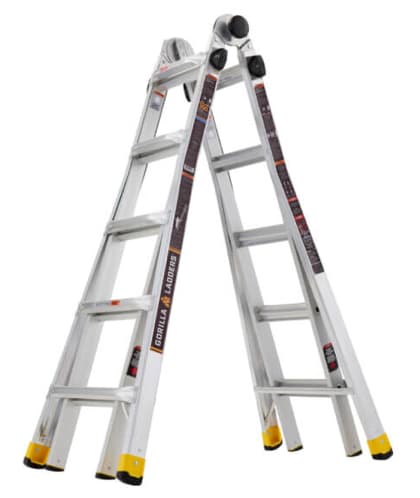
We use multiple ladders. Current preference is Gorilla — slightly lighter and easier to use than the other brands. I recommend only getting an "A" frame ladder or if you have a roof rack an extension ladder. Stay far away from telescoping ladders if you can. I have had a telescoping ladder break a safety latch and it was the last time I touched that type of ladder. I have 3 different sizes in my truck at all times. The one that is most versatile is the 18-foot ladder; it can handle 95% of my needs. The 21-foot ladder is the least used and probably only gets brought out less than 1% of the time. My favorite is the 15-footer and is the most used — I use it 80% of the time. So even though the 18-footer is more versatile, the 15-footer is lighter and easier to manage, especially in tight areas. If you can only buy one ladder buy the 18-footer; if you can buy two get the 15-footer and you'll still use the 18′ from time to time. Once you are established and have a couple extra bucks that's when you spring for the 21-footer.
StreamLight flashlight

Flashlight

Safety
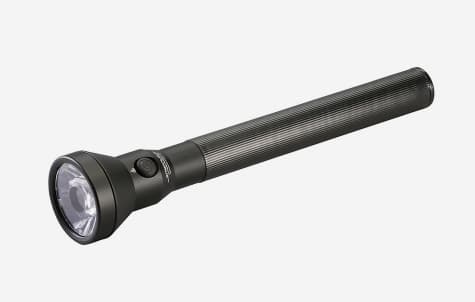
I have had a StreamLight in my hand since I started. I have experimented with other brands and types but when it comes down to it nothing else has held a candle to my StreamLight. There are brighter but sometimes you need less light (StreamLight is dimmable). There are more versatile (all you need is illumination). And most commonly there are smaller/less cumbersome ones, but this is truly where the StreamLight shines. You should never carry a hammer — cause anything you want to use a hammer on you should not be hammering during an inspection. We are visual inspectors not fixers. If it needs hammering write it up. That being said sometimes it's nice to have a tool (flashlight) that can take a beating: to dig a little deeper around the foundation, to knock on a vent pipe of a 1970 house to see if it's plastic or metal, to knock your muddy shoes off before slipping on your shoe covers, or even to fend off a dog, bird, or crazy body. Sometimes it's just nice to have a big stick. Do not skimp on a cheap fragile flashlight — you will regret it.

Currently using — Ultrastinger LED

Shoes

Shoes

This one is truly personal preference. Just be sure to get sturdy shoes that have great tread. Stay away from tennis/basketball shoes or slick-bottom shoes. Hiking shoes are our preferred type. Also stay away from overly large, heavy, cumbersome boots. You'll be on your feet all day sometimes going through some tight spots — you are not going into combat. You can never predict the weather so waterproof or water-resistant shoes should be bought. On that note, carry a full set of backup clothes and shoes down to underwear. You will get caught in a downpour, fall into a pool, or simply sink ankle deep into an oversaturated lawn. It is far easier to change your shoes than to try and scrape and wash off all that dog poop you just stepped in while taking pictures of the water-damaged eaves. I have found Columbia outlet stores my go-to — usually buying two at a time and go through about two pairs a year.
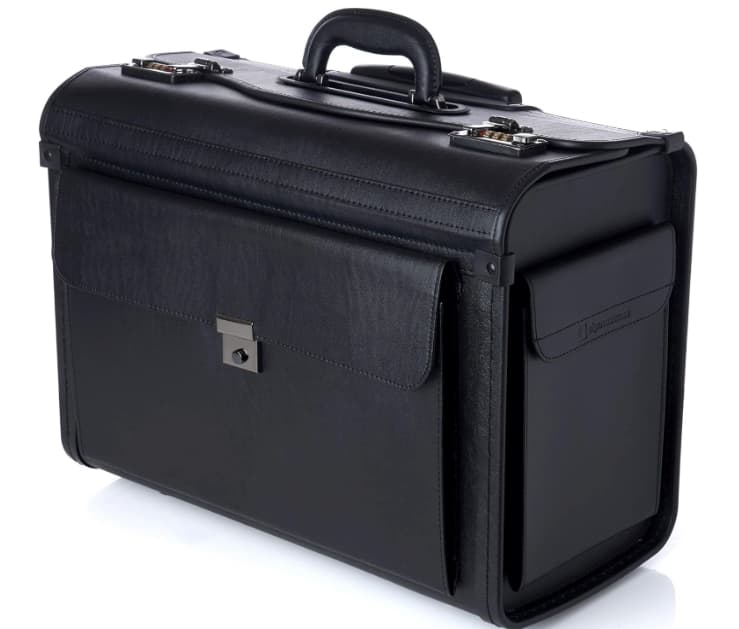
Attache bag

Equipment Bag

We used to carry oversized backpacks, and they worked well. The attache, rolling brief, or pilot bag does everything the backpack did but gives that added touch of professionalism. Whichever you choose, you want a bag that will carry 90% of what you'll need into the house. Not everything. Your truck/vehicle is just outside so that 4-foot level that only gets brought out every tenth inspection — leave it in the truck. If you are not using a tool every inspection it should have a home in your vehicle.
Currently using — Alpine Swiss 17″ Attache rolling briefcase

Code books

Code Books

Reference
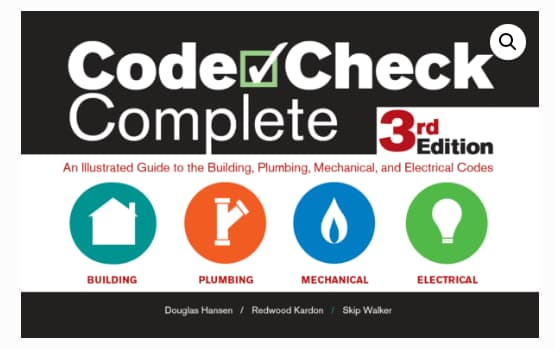
These are a must. I get it all the time — I can look it up on my phone. Yes you could — if you have service, if you have battery, if you haven't dropped or damaged your phone during an inspection. Having the code book in your bag is your reference manual; you'll be amazed at how much you'll not only use it but also learn from it. As you'll be looking up one item you'll read the code from multiple different sections and just have these AH HA moments. These also get updated every few years so ensure you are carrying the most recent version.
Currently using — Code Check Complete 3rd Edition

Moisture meter

Moisture Meter

Diagnostics
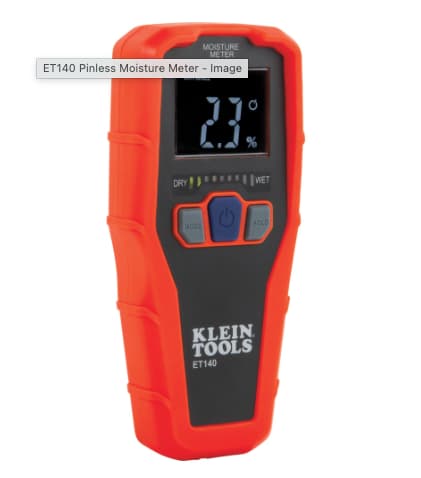
This is one of those tools you can spend $20–$200 on. There is no reason to have a moisture meter that texts you a photo of the meter readings. You are only using this to verify or show proof of moisture. More than likely you already know it's wet — you just want to show it in pictures. I have a pin model and a pinless model. The pinless model has proven more reliable, in my opinion. This is one of those tools that's better to have two.

Currently using — Klein ET140

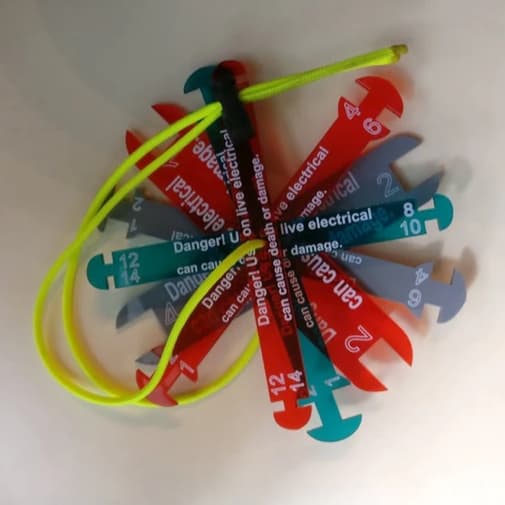
Wire sizing guide

Wire Sizing Guide

Unless you were a seasoned electrician before coming into inspection you will need a guide to verify wire gauges for the first thousand or so inspections — and even then it still gets pulled out ever so often. I started with the Home Depot self-made wire guide bundle but these are a far better, safer, and cheaper way. Plus takes a better photo.
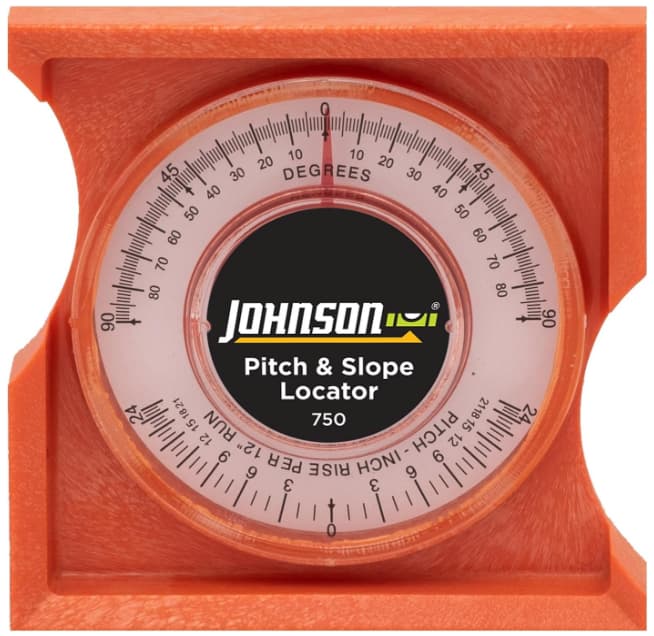
Pitch guide

Pitch Guide

I used to use a 2×4 ruler and a level. For less than $10, this changes the game. I know phones have this app for free, but I have had sellers question the validity of the app and never had this questioned. Worth it especially for the cost.
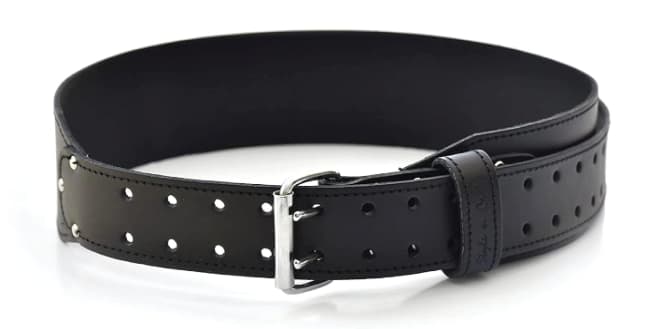
Tool belt

Tool Belt

Like shoes — this is the one tool you will probably go through a few before finding "your" tool belt. I've gone through all the types, clasps, materials and the last one I got right. You will be in constant contact with the belt for the majority of your day, so if it isn't right try again. Expect to buy multiple different belts. I found leather belts were the most comfortable and durable. The pinch-type clasps seemed great until you bend forward and the belt pops off.

Currently using — Style n Craft 3″ Leather Work Belt

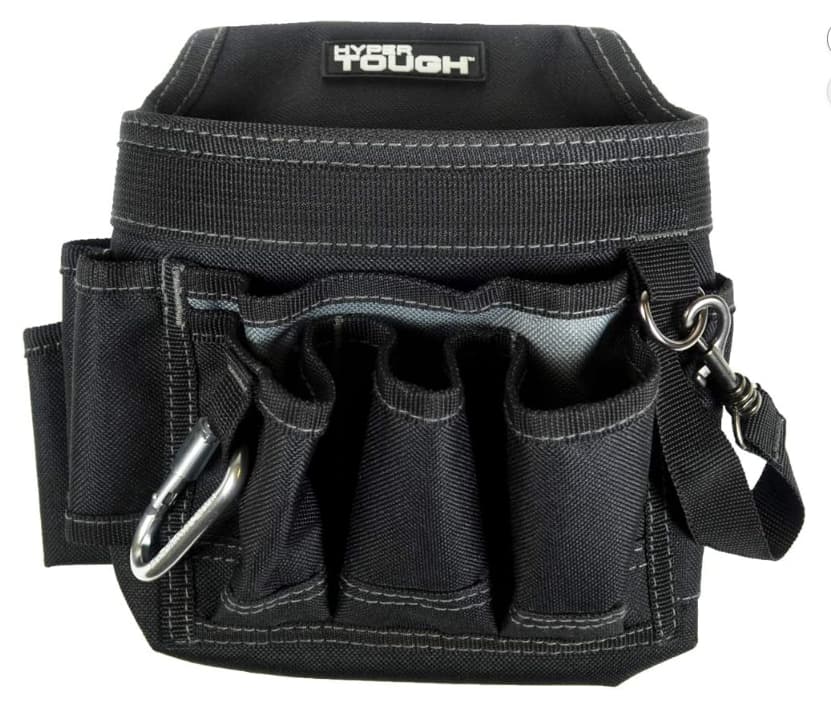
Tool belt bag

Tool Belt Bag(s)

A bag that will carry the essentials you need on your belt during the inspection.
Electrician screwdriver

Electrician Screwdriver

Multi-bit screwdriver for electrical and general use during inspections.
Outlet tester

Outlet Tester

Essential for verifying grounded outlets and identifying wiring issues.
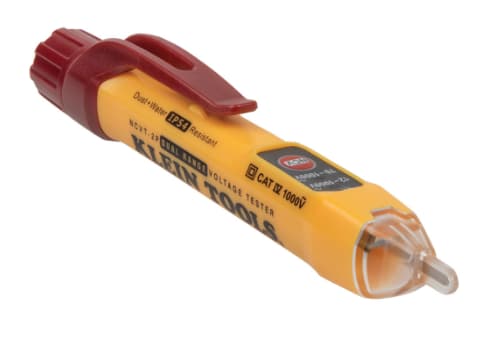
Voltage tester

Voltage Tester

Non-contact voltage tester for safe verification of live circuits.
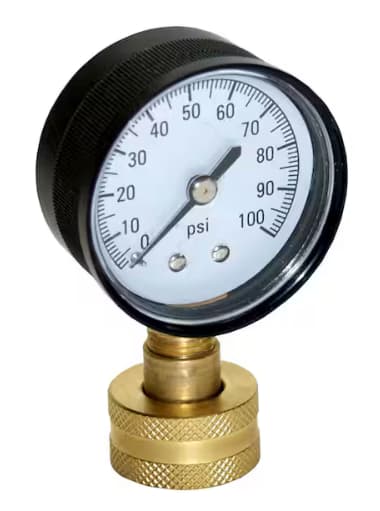
Pressure gauge

Pressure Gauge

For testing water pressure at fixtures and hose bibs.
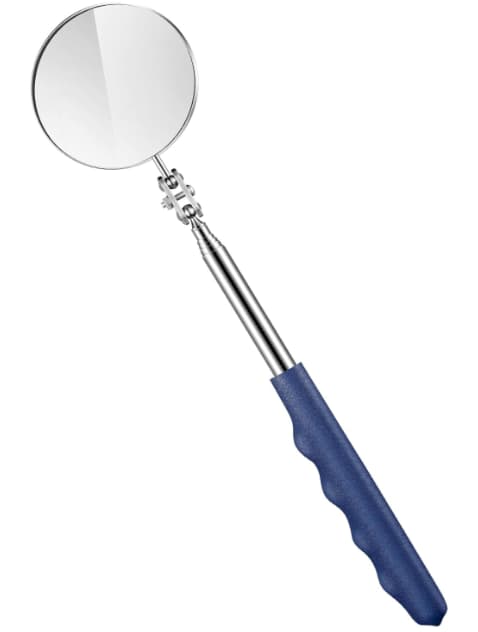
Telescoping mirror

Mirror

Telescoping mirror for viewing in tight or obstructed areas.
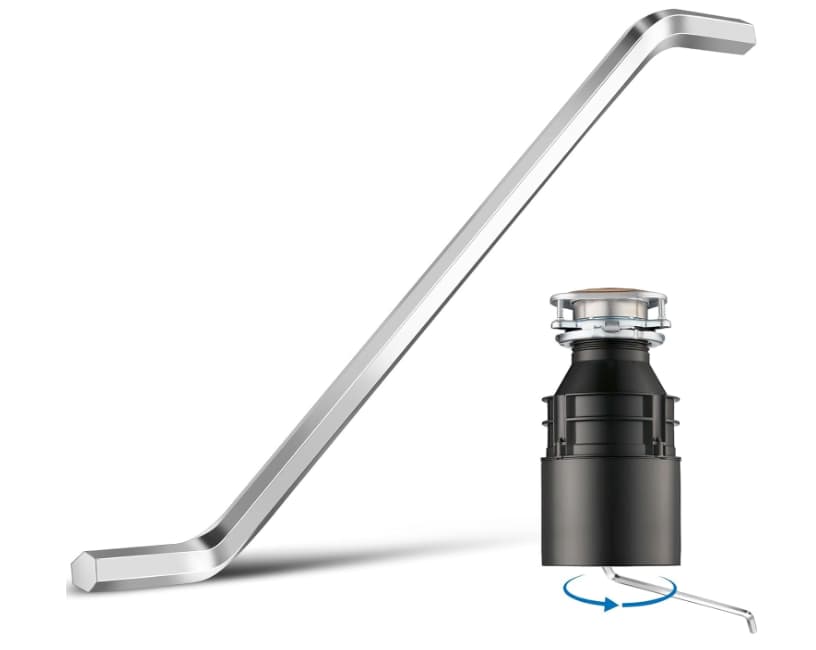
Disposal wrench/key

Disposal Wrench/Key

For testing and unjamming garbage disposals.
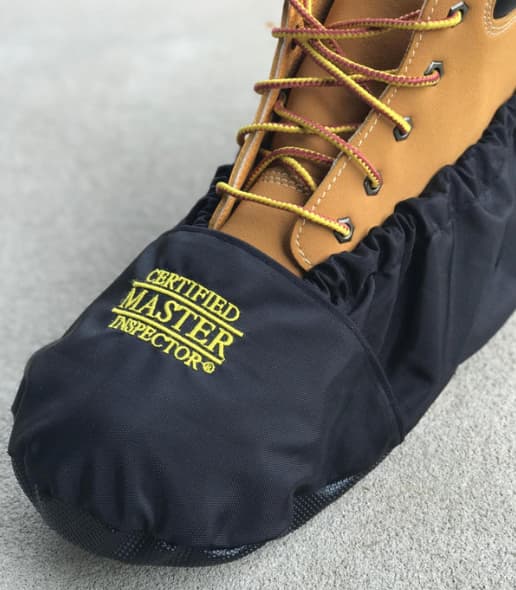
Shoe covers

Shoe Covers

Disposable shoe covers to protect client floors. Keep a supply in your bag.
Microwave tester

Microwave Tester

Tool to verify microwave operation and safety.
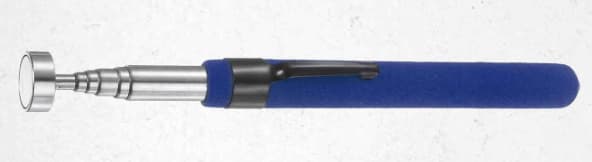
Expandable magnet

Expandable Magnet

Telescoping magnet for retrieval and testing in tight spaces.
Child lock magnet

Child Lock Magnet

Magnet for testing and bypassing child-safe locks on appliances.
12″ and 48″ level

12″ and 48″ Level

Levels for checking slope, alignment, and drainage.
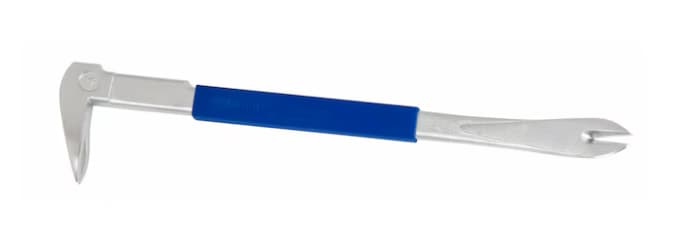
Mini pry bar

Mini Pry Bar

Small pry bar for trim, moulding, and careful disassembly when needed.
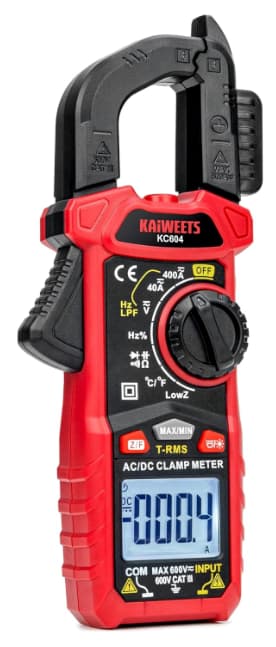
Clamp-on multimeter

Clamp-On Multimeter

For measuring amperage and electrical load without breaking the circuit.
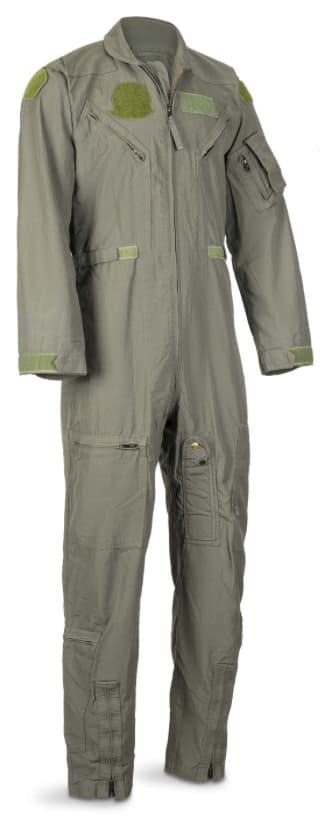
Coveralls

Coveralls

Protective coveralls for attics, crawl spaces, and dirty conditions.
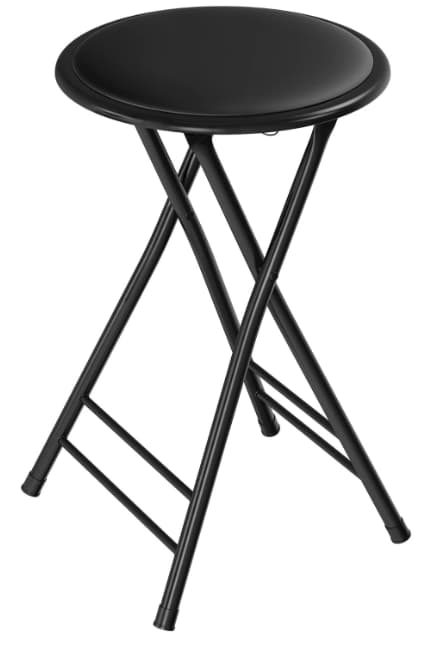
Folding stool

Folding Stool

Lightweight stool for use in garages, basements, or when writing up notes.
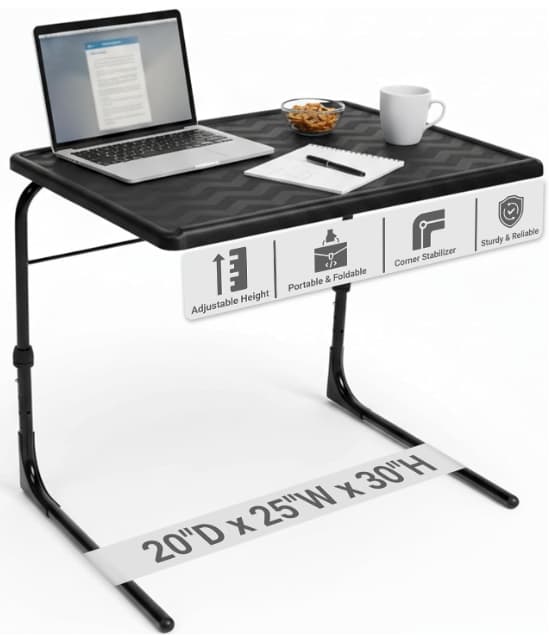
Folding table

Folding Table

Portable table for setting up computer and report during the inspection.
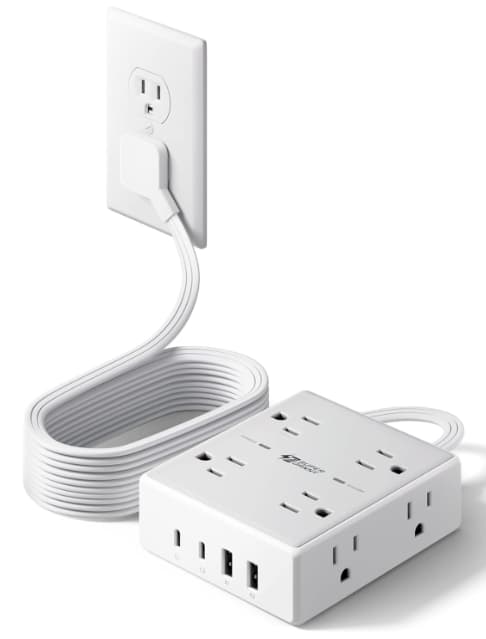
Extension cord

Extension Cord

For powering tools and devices when outlets are not nearby.
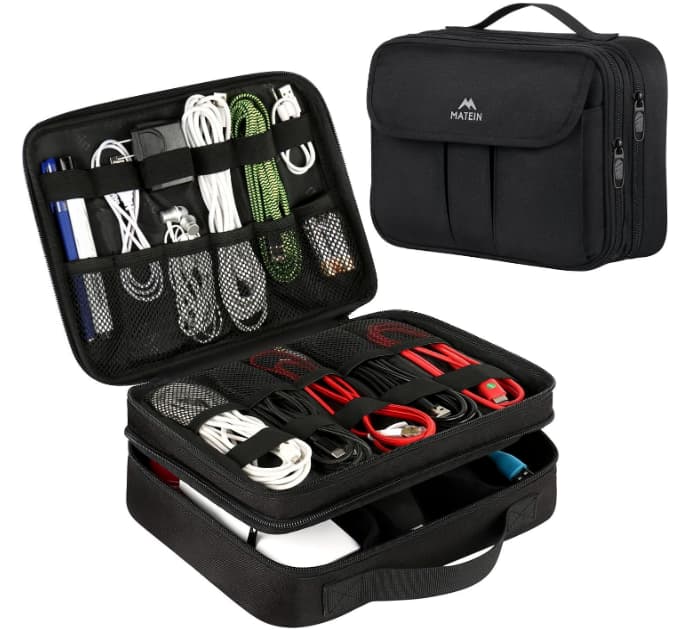
Accessories bag

Accessories Bag

Extra bag for cables, adapters, and small accessories.
Mini broom and dust pan

Mini Broom and Dust Pan

For quick cleanup after accessing attics or crawl spaces.
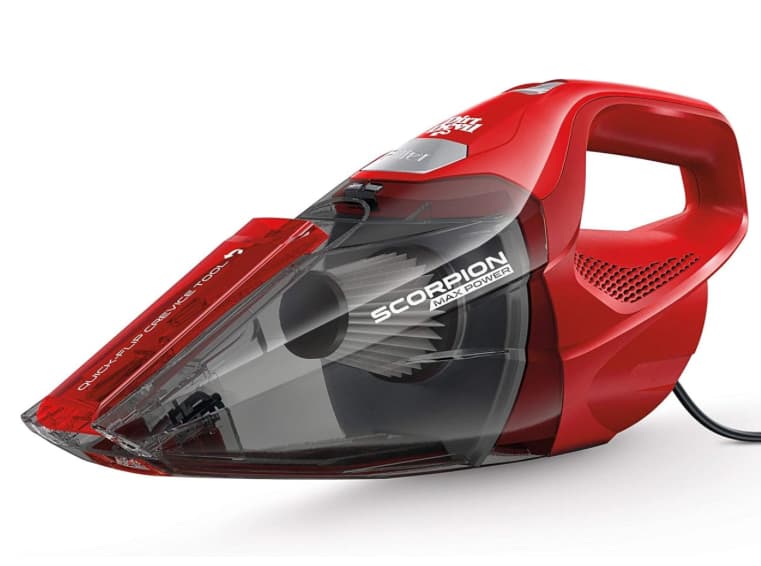
Mini vacuum

Mini Vacuum

Small vacuum for cleaning up after inspection activities.
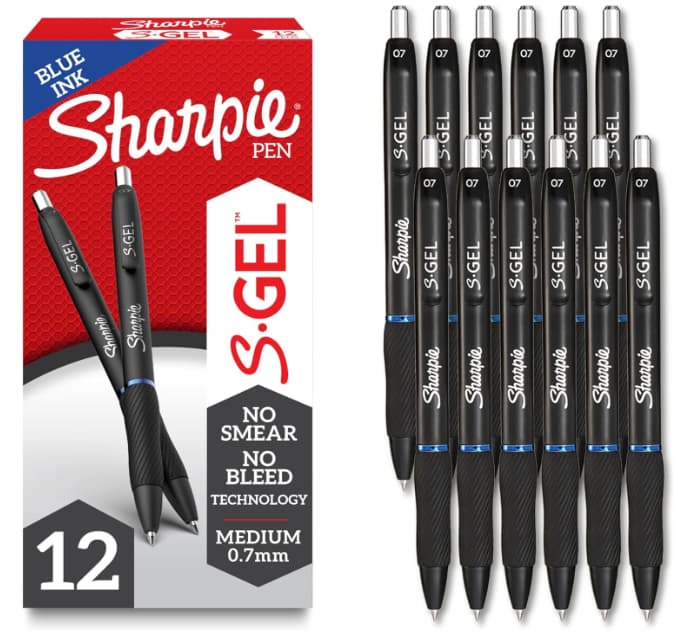
Sharpies/pens

Sharpies/Pens

Permanent markers and pens for labeling and notes.
Disinfecting wipes

Wipes

Disinfecting wipes for cleaning hands and equipment.
Toilet paper

Toilet Paper

Portable toilet paper for rest stops and emergencies.
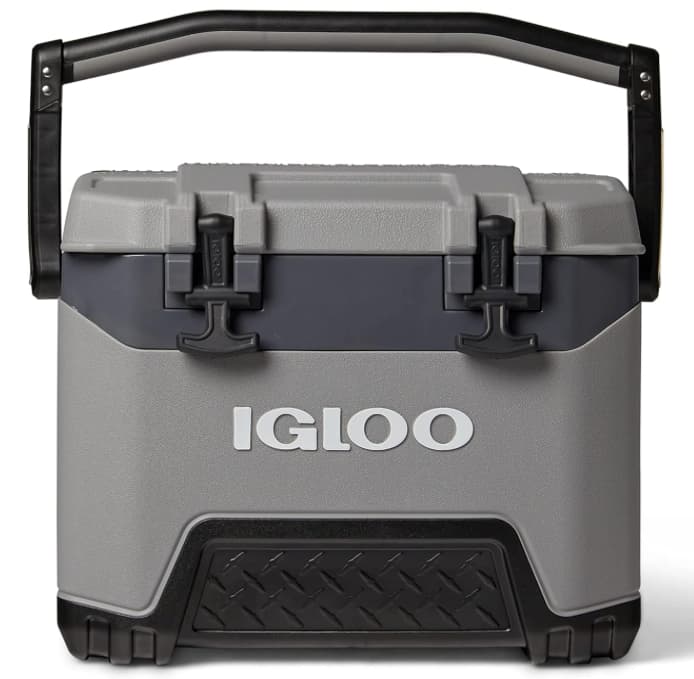
Cooler with water

Cooler with Water

Stay hydrated; keep water in the vehicle for long inspection days.
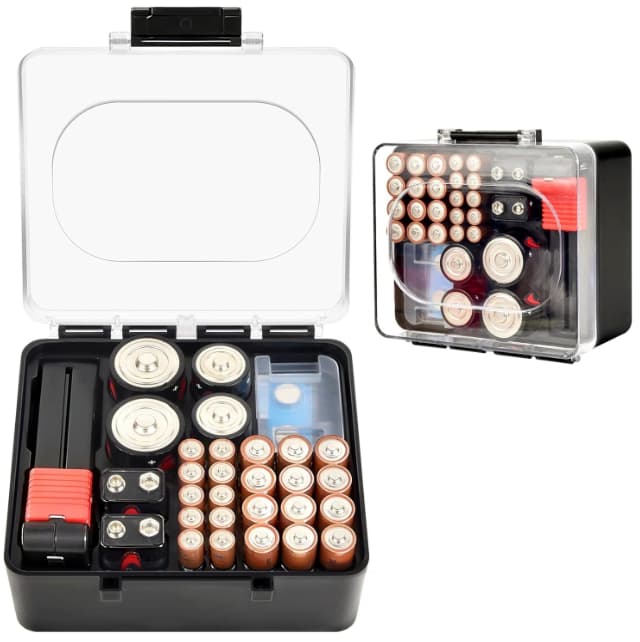
Batteries and case

Batteries and Case

Organized spare batteries for flashlights, meters, and other tools.
2×4

2×4

Short 2×4 for blocking, bracing, or temporary support when needed.

Inspector Links · Education · Employment